







Content...
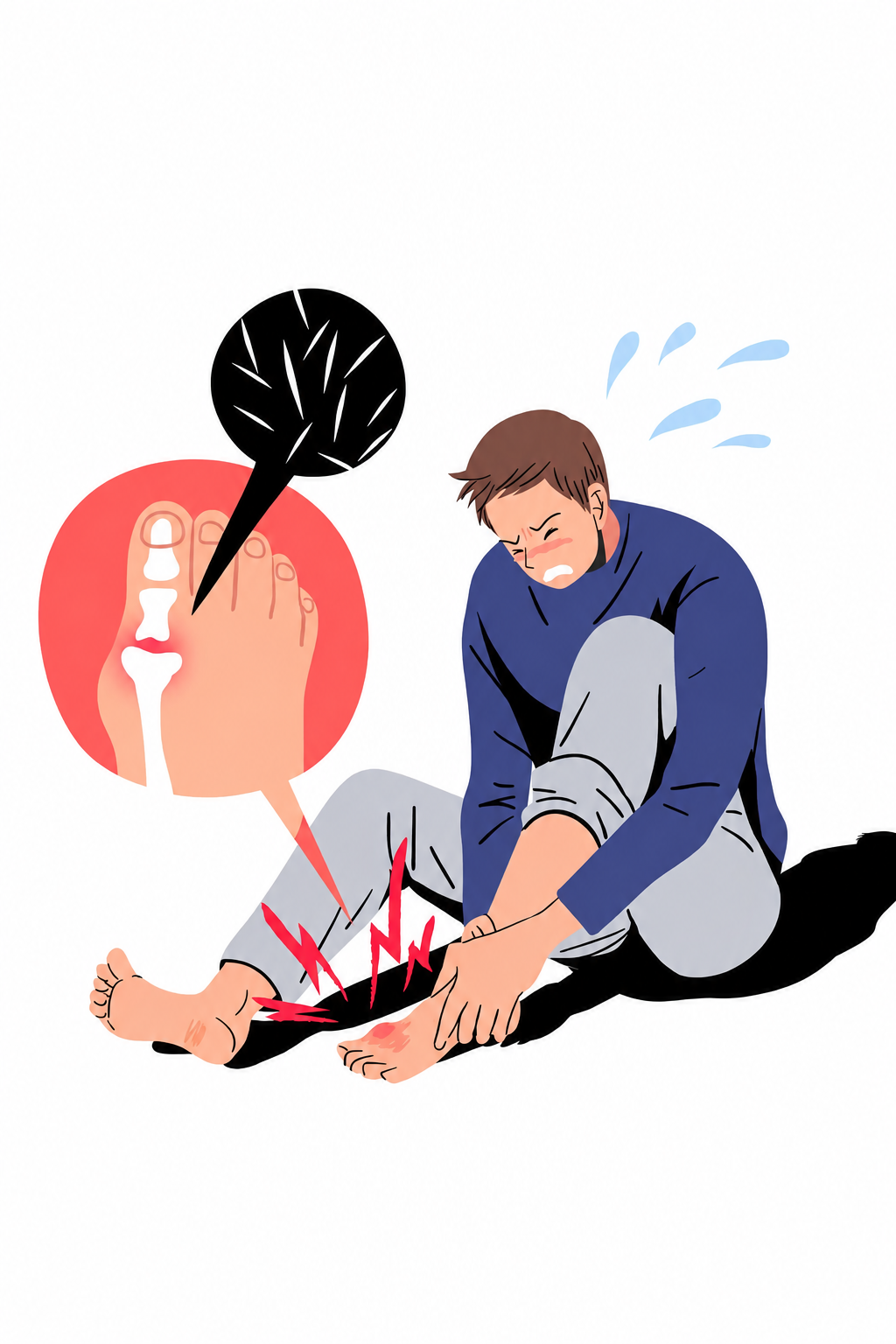
The "ureic acid" column in the medical report appears as an arrow up, and many people's first reaction is "no pain, no itch, no problem." I don't know, it's getting more common to have urea acid, often referred to as a metabolic problem that needs attention after the third. It can quietly affect kidneys, blood vessels and the heart. Today, let's make this clear.

One, what's a high urine acid? How much is a high?
Uric acid is the end product of internal metabolism. About 20 percent from food, about 80 percent from their own cell metabolism. Ulysic acid is removed mainly through kidneys and intestinal tracts. Levels of urea acid in blood rise when there is too much or less excretion.
Clinical criteria:
> 420 μmol/L > can be diagnosed with high urea acid on two occasions other than the same day in a normal diet. The current mainstream guide is no longer differentiated and uses 420 μmol/L as a diagnostic value.
My country's adult population has a high rate of urea acidemia and a trend towards youth. It needs to be noted that high ureaemia is not equivalent to arrhythmia, but that its long duration increases the risk associated with pain, urinary stone and kidneys, which need to be managed together.
ii. Why does urea go up? Two core reasons.
The occurrence of high-urinureic acid is, in the end, "a lot better" or "a lot less."
1 Overproduction of urine
Dietary factor:
For a long time, there is a large amount of food for animals such as internal organs, seafood, and strong meat soup.
Genetic factors:
Some of them are suffering from lysermatase defects, and internal urea is too much produced.
Disease:
There is also a potential for increased urea acid production as a result of the large decomposition of certain blood diseases and post-caustic cells.
2 Reduced urine acid excretion
About 90% of primary hyperureaemia is associated with reduced excretion. Ulysic acid is mainly excreted through kidneys, kidney function impairment, certain medicines, such as urethrin, small amounts of aspirin, and obesity, insulin resistance, etc., may affect the excretion of urine.
3. High-risk groups
Overweight or obese
Overweight and obesity are among the major risk factors for high urea acid. Increased weight, diarrhea obesity, insulin resistance, etc. may affect urea acid excretion and increase blood urea levels.
Long term drinking people.
In particular, people who drink beer and alcohol often.
People who like sugar and juice.
The sugar is the "invisible pusher" that pushes up the urine acid.
People who sit still and stay up late.
Long-term adverse lifestyles can also increase metabolic burden.

III. Hazards of high urine acids: more than arthritis
A lot of people think that "it's all right if it doesn't hurt." High urea acid can have a "silent effect" on multiple organs throughout the body.
1 kidney damage——First hit.
The urea acid crystal is deposited in the kidneys and can form urea acidic kidney stones, causing pain and blood urine. Long-term high-ureic acid is closely related to kidneys, urin systems, cardiovascular and metabolic health. Long-term poor control of urea acid can increase the risk of urinary rocking, kidney damage, ailments and metabolic problems such as hypertension and diabetes.
2 Cardiovascular damage——It can't be ignored.
High urea acid is often associated with high blood pressure, blood resin abnormalities, obesity and sugar metabolic abnormalities, which may contribute to the burden of cardiovascular metabolism.
3 Metabolism——It's easy to form a vicious cycle.
High urea acids often appear at the same time as metabolism problems such as obesity, high blood pressure, high blood sugar and high blood resin, which affect and reinforce each other. Inadequate long-term control of urinary acid may also increase the burden of urinary quarries, gouts and kidneys.
Four, not just a joint pain, but long-term health.
It is often associated with kidney, cardiovascular and metabolic health problems. Poor control of long-term urinary acid may increase the risk of urinary plastering, kidney abnormalities, high blood pressure, and blood sugar hemolipic abnormalities. As a result, ailments cannot be used only for pain while they occur, much more so for long-term management.
IV. HOW TO SCIENTIALLY ACCEPT URIATE?
It's very high, don't panic, but it's important. Science management is in two steps: lifestyle is the foundation, and drug use is important when necessary.
1 Lifestyle intervention: Foundation and key
Drink more water:
People with normal kidneys drink 2000-3000 ml per day, better with white water, to help make sure they have enough urine.
Shut up:
Reduced ingestion of animal intestines, strong meat soup, and some high seafood; limited red meat intake, not exceeding 100 grams per day; and avoided drinking, especially beer and alcohol.
If pain or urine is diagnosed for a long period of time, alcohol intake should be controlled in accordance with medical instructions.
At the same time, it should be far away from sugared beverages and juices, as sugar can rise to ureic acid. The daily intake of fresh vegetables, low-fat milk and eggs can be increased.
Take your legs off:
At least 150 medium-minute aerobics per week, such as runaways, swimming, riding, etc., should be avoided by sudden and dramatic movements.
Control weight:
Overweight or obese can target weight reduction of 5% to 10%, step by step, to control weight and help with urine management. Suggest to keep BMI under 24.
When do you need a medication?
When blood ureic acid is clearly elevated or combined with high blood pressure, diabetes, obesity, anomalous kidney function, urinary quarries, arrhythmia, etc., it should be treated in a timely manner, and the need for medication should be assessed by a doctor.
3 Regular monitoring
Adults are advised to check blood urea at least once a year. People at high risk should increase their surveillance frequency according to their circumstances.
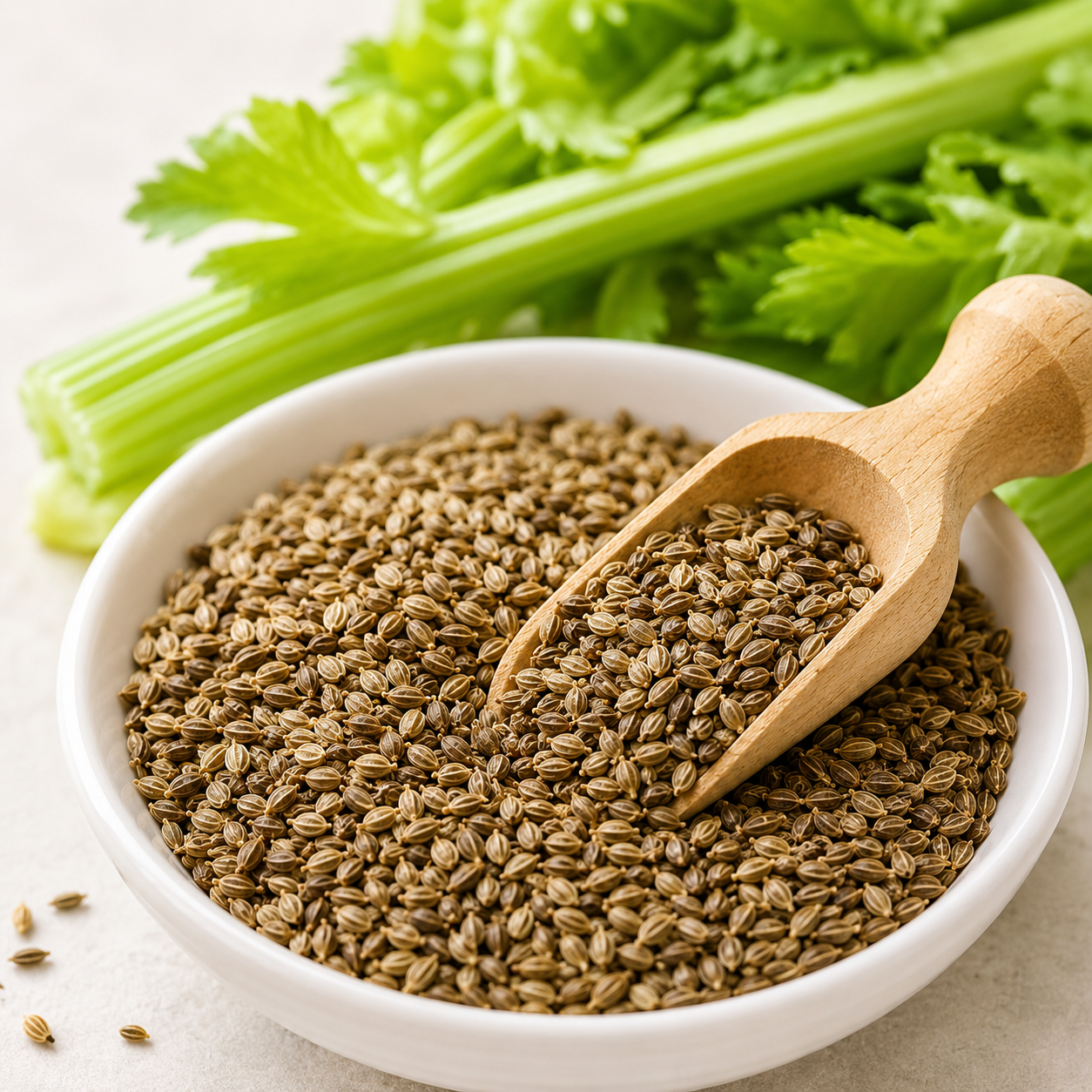
V. Daily support for nutrition: celery seeds as an aid option
In addition to diets, water, sports, weight management and, where necessary, routine medicines, some natural plant components are often used for daily urine management. Of these, celery seeds are a more common type of nutrient support component.
Celery seeds contain plant active ingredients such as ketone and polyphenol. Research suggests that celery seed extracts may be associated with oxidation, inflammation, and enzyme activity that affects the production of urea acid, and are therefore often used for daily nutrient management for high urea acid populations.
It should be noted, however, that most of the relevant research is currently concentrated on animal experiments and the organic components, and that celery seeds cannot be equated to urineic acids, nor can they be used as a substitute for treatment programmes recommended by doctors.
For people with high urinary acids, high food rations, and concerns about urinary acid motion, appropriate urea management dietary supplements can be used as daily support on the basis of control of diet, regular diet, drinking water and regular monitoring.

GenHealth The celery seed capsule, which is centred on the celery seed component, is suitable for people who are interested in the level of urine acid and wish to be managed in a way of life. It cannot replace medication or be used for acute pain relief. If pain, urea acid has been diagnosed with a significant increase over a long period of time, or if it is combined with abnormality, urinary quail, high blood pressure, diabetes, etc., the doctor or pharmacist should be consulted before it is used.
Finally, the management of high urea acid is not done on a single product, but on a combination of food, water, exercise, weight, utensils, surveillance and, if necessary, treatment.
References
1. Guide to the treatment of high ureaemia and pain in China (2019)
2. Multi-scientific Common Understanding (2023 edition) for the treatment of diseases related to urea acid in China
3. 2020 American College of Rheumatology Guideline for the Management of Gout, etc.
Notes: This post is not a substitute for professional medical advice, but it is a case that needs to be combined with an assessment of clinical performance.
Notes: Images of the article are available online.